Ireland's Greenways
Great Western Greenway: Ireland's Longest Greenway
A complete guide to the 42-kilometer route from Westport to Achill. Covers terrain, facilities, best times to visit, and what to bring.

Why the Great Western Greenway Matters
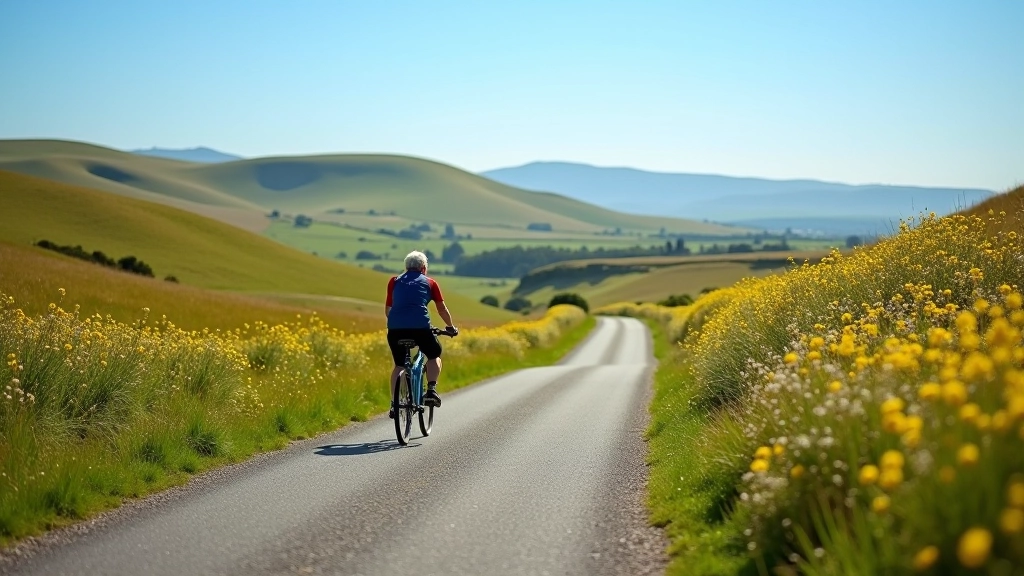
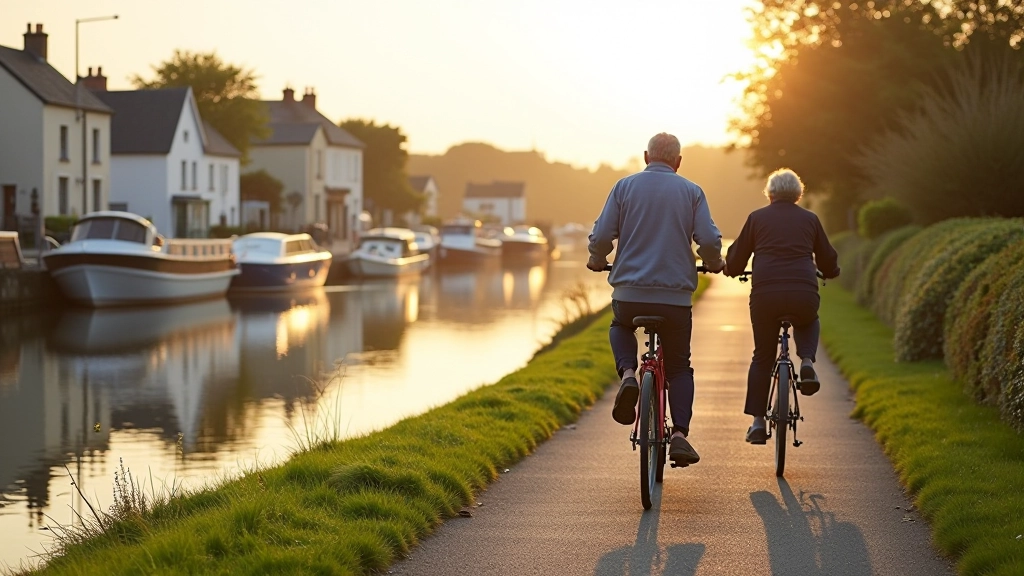
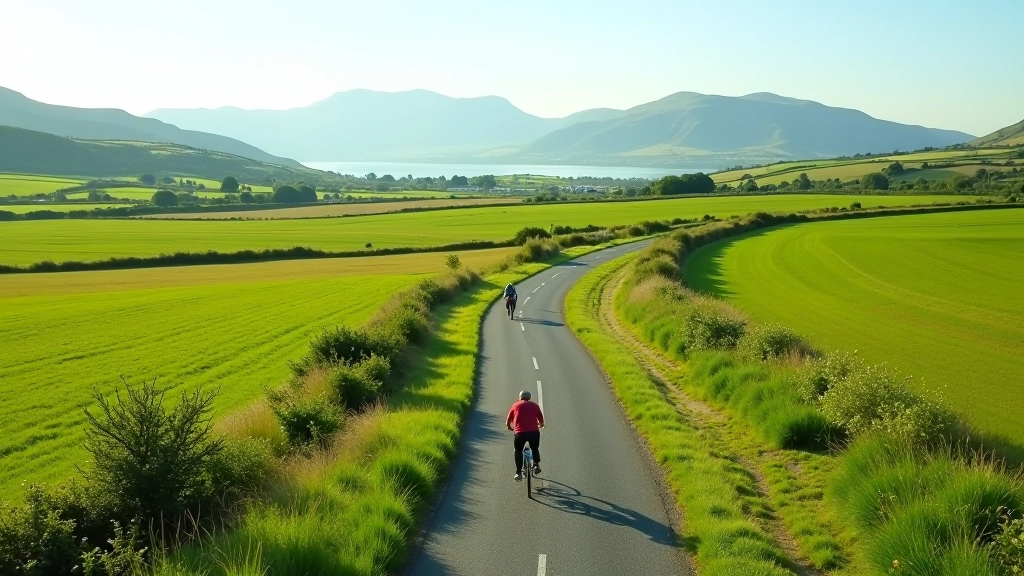
The Great Western Greenway isn't just Ireland's longest off-road cycling route — it's a genuine escape from traffic and a chance to see some of the country's most beautiful coastal landscape at your own pace. Running 42 kilometers from Westport to Achill Head, this converted railway line offers something rare: a completely flat, well-maintained path where you'll see families, couples, and solo cyclists enjoying the outdoors together.
We've spent time cycling this route and talking with people who use it regularly. The experience you'll have depends a lot on when you go, what you bring, and what you expect. This guide covers all of that. You'll find practical details about the terrain, where to stop for refreshments, and honest information about what makes this greenway so special.
Understanding the Route
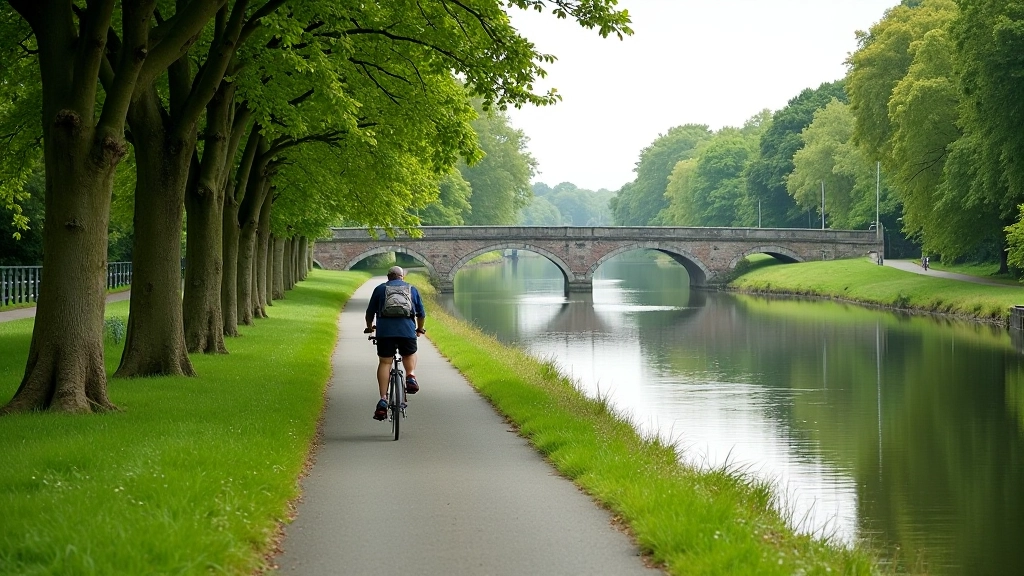
The route follows an old railway line, which means you're cycling on a former transport corridor. That matters because the path is genuinely flat — there's no serious climbing. You'll gain about 50 meters total over the entire 42 kilometers, which is why it's popular with people of all cycling abilities.
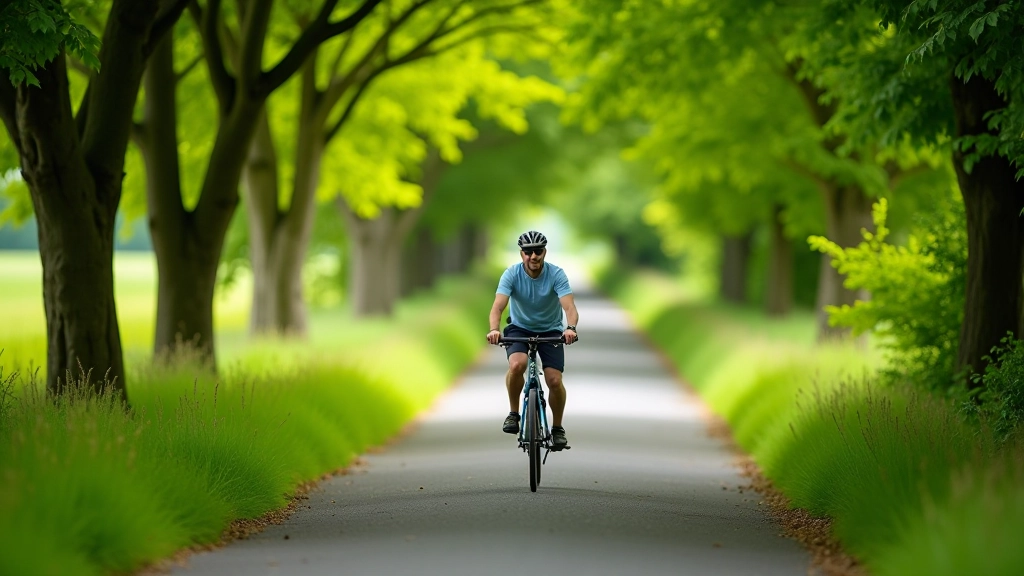
The surface is mostly well-packed gravel mixed with tarmac sections. It's stable and predictable. Most standard bikes handle it fine — you don't need a mountain bike, but road bikes might feel a bit bouncy on the gravel stretches. The path is typically 4-5 meters wide, so there's plenty of room for people passing each other in both directions.
The full 42-kilometer route takes most people 3-4 hours at a relaxed pace. But you don't have to do it all in one go. Many people cycle one section and turn back, or use the regular shuttle service that runs between Westport and Achill if you'd rather not retrace your route. That flexibility is part of what makes it so appealing.
Facilities Along the Way
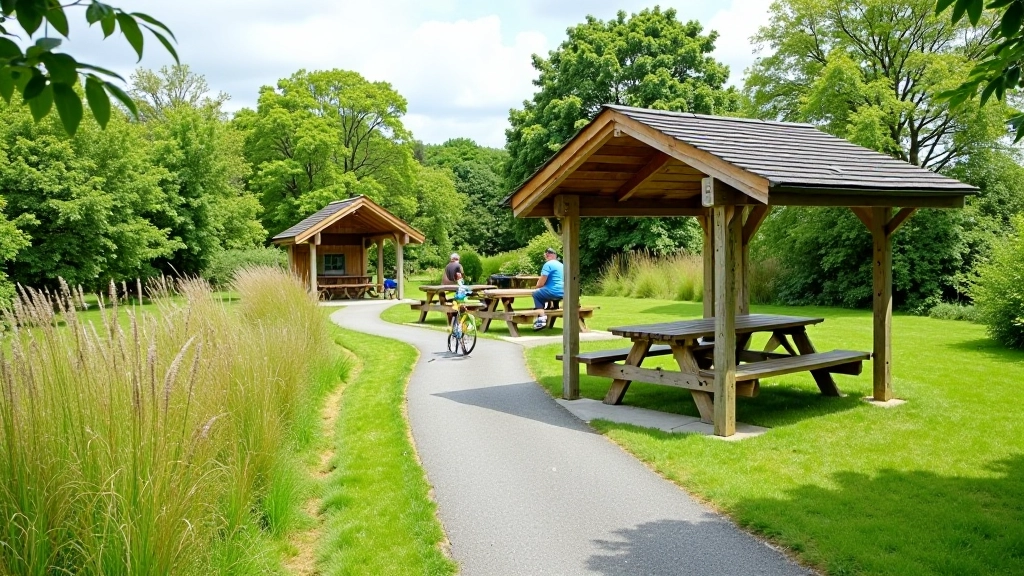
The greenway has eight marked stops with facilities. These aren't fancy — they're practical. You'll find water, toilets, picnic tables, and some shelter. The stops are roughly evenly spaced, so you're never more than 5-6 kilometers from a break point. That's comfortable distance if you're taking it easy.
Westport Start
Car parks, shops, cafes. Good place to grab supplies before you leave.
Mid-Route Stops
Basic facilities at Mulranny, Mallaranny, and Cashel. Water and toilets at each.
Achill End
Facilities at the Achill Head terminus. Several cafes and restaurants nearby.
We'd recommend bringing your own water and snacks anyway. The route passes through rural areas, and while the stops are useful, they're not shops. Pack a small rucksack with fruit, a sandwich, or energy bars. It's not a problem, just something to plan for.
When to Cycle the Greenway
Timing affects your experience. Late spring through early autumn (May to September) is obviously popular — the weather's better and daylight lasts longer. But don't overlook shoulder seasons. April and October offer quieter routes with pleasant temperatures. The path isn't crowded, and you'll actually see the landscape instead of waiting for cyclists ahead to move.
July and August can feel busy, especially on weekends. If you're hoping for solitude or easier cycling without crowds, consider weekday mornings in June or September. The path is dry, the light is good, and you might be one of only a handful of cyclists all day.
Winter cycling is possible but requires planning. The path can be muddy, and daylight is limited. That said, the lack of crowds and the raw beauty of the landscape in winter appeals to some people. Just bring proper lights and wet-weather gear. It's doable, just different.
Essential Gear and Preparation
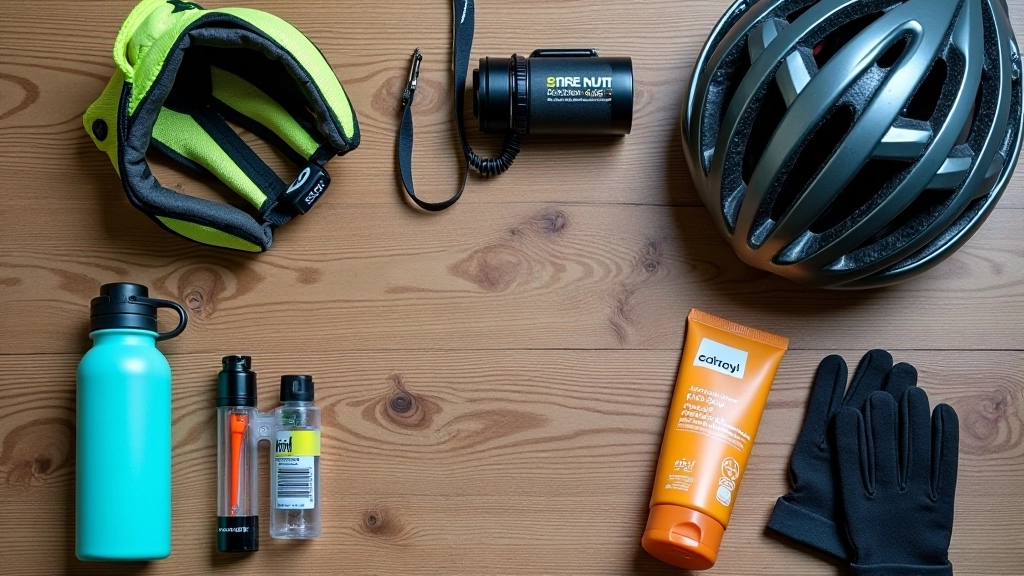
You don't need expensive equipment for this route, but a few basics make a real difference. First, check your bike before you go. Tire pressure matters on gravel — you want them firm enough to roll smoothly but not so tight that you bounce. Around 60-70 psi works well for most tires on this surface.
Navigation & Safety
- Mobile phone fully charged (signal is generally reliable)
- Lights if you're cycling early morning or late evening
- High-visibility clothing or a safety vest
Comfort & Protection
- Sunscreen (you're exposed, especially on clear days)
- Hat or cap with a brim
- Padded cycling shorts if you're doing the full route
- Lightweight rain jacket (weather changes quickly)
Practical Items
- Small rucksack or panniers for snacks and water
- Basic repair kit (spare tube, tire levers, pump)
- Wet wipes or hand sanitizer
- Small first aid supplies
The biggest mistake people make is underestimating sun exposure. Even on cool days, you're outside for hours on an open path. Bring more sunscreen than you think you'll need and reapply regularly. It's not glamorous advice, but it makes the difference between an enjoyable day and a sore one.
Information Note
This guide provides general information about the Great Western Greenway based on current conditions and facilities. Cycling conditions, weather, and facility availability can change. We recommend checking the official Great Western Greenway website and local tourism resources for the most current information before your visit. Cycling is a physical activity — if you have health concerns, consult with a medical professional before undertaking longer rides. Always follow local cycling rules and respect other path users.
Making the Most of Your Visit
The Great Western Greenway works because it's straightforward. Flat, safe, well-maintained, and surrounded by genuine Irish landscape. You're not dealing with traffic or complicated navigation. You're just cycling at whatever pace feels right, stopping when you want, turning back when you're ready.
Most people find it more enjoyable than they expected. The combination of physical activity, fresh air, and quiet time outdoors has a way of changing how you feel. That's why people come back — not because it's dramatic or challenging, but because it works. It's reliable. It feels good.
If you're planning a trip, give yourself time. Don't rush the route. Bring a camera, pack good snacks, and plan to stop at places that appeal to you. The destination matters less than the actual experience of being out there cycling through the countryside. That's what the greenway is really about.